What Supplements Are Good for Heart Health? A Cardiologist Rates What Works and What’s a Waste of Money
Most heart supplements fail when graded by clinical evidence. A cardiologist breaks down which products actually work—from omega-3s to CoQ10—and which ones are wasting your money. Discover the surprising truth before your next trip to the pharmacy

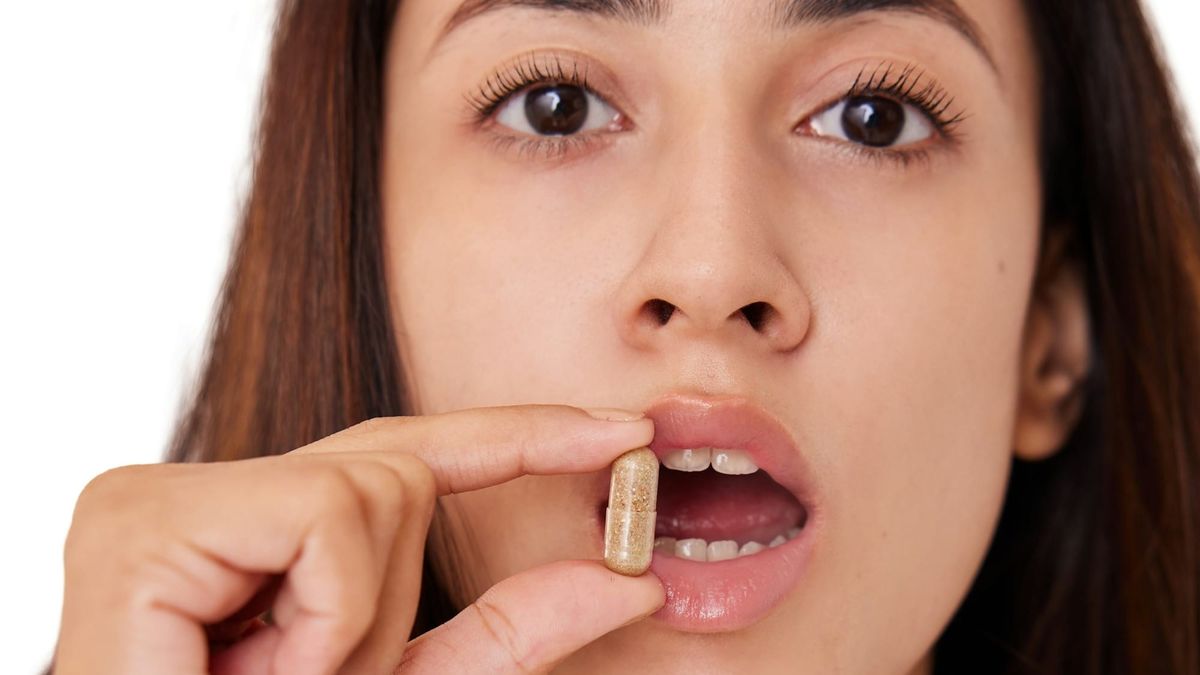
What if nearly every dollar you've spent on heart health supplements was backed by marketing instead of medicine? The dietary supplement industry is brilliant at selling hope, but when cardiologists apply the same evidence-based standards used for prescription drugs, the results are sobering.
So, what supplements are good for heart health? To cut through the hype, we asked a cardiologist to grade the most popular options—from fish oil to red yeast rice—based strictly on randomized clinical trials, meta-analyses, and real cardiovascular outcomes. Each supplement below receives a letter grade (A through F) reflecting the strength and consistency of the clinical evidence. Use this guide to save money, avoid potentially harmful products, and focus on what actually works.
What Supplements Are Good for Heart Health? The Evidence-Based All-Stars (Grades A–B+)
Omega-3 Fatty Acids (EPA/DHA): Grade A–
Not all omega-3 supplements are created equal. The strongest cardiovascular data belong to high-dose purified EPA (icosapent ethyl), not standard mixed fish oil capsules. In the landmark REDUCE-IT trial, 4 grams daily of prescription EPA significantly reduced heart attacks, strokes, and cardiovascular death in high-risk patients with elevated triglycerides, leading to FDA approval for this specific formulation . Subsequent large trials of mixed EPA/DHA formulations showed neutral results, suggesting that the ratio and purity of active ingredients matter enormously.
Updated cohort data and meta-analyses still link higher circulating omega-3 levels to reduced cardiovascular events, though high-dose supplementation has been associated with a slight increase in atrial fibrillation risk in some populations . The verdict: purified EPA is a legitimate therapy for high-risk patients; mixed fish oil is decent but not miraculous for general prevention.
Psyllium Fiber: Grade A
If you want a supplement with robust, consistent evidence for heart health, skip the exotic extracts and head straight for psyllium husk. This soluble fiber, derived from the Plantago ovata seed, is one of the most effective non-prescription options for lowering LDL cholesterol. A systematic review and dose-response meta-analysis of randomized controlled trials found that psyllium supplementation significantly reduces total cholesterol, LDL-C, and triglycerides through mechanisms involving bile acid binding in the gut .
At practical doses of 7–10 grams daily, psyllium can lower LDL by 5–10%, making it an excellent adjunct to dietary changes and statin therapy. Unlike many supplements, it has a well-established safety profile—though it should always be taken with plenty of water.
Coenzyme Q10 (CoQ10): Grade B+
CoQ10 earns high marks specifically for heart failure. The pivotal Q-SYMBIO trial demonstrated that 300 mg daily of CoQ10 improved functional class and cut major adverse cardiovascular events by half in patients with moderate-to-severe heart failure . A comprehensive 2024 meta-analysis of 33 randomized controlled trials confirmed these cardiac benefits, showing that CoQ10 reduced mortality (relative risk 0.64), heart failure hospitalizations (relative risk 0.50), and improved left ventricular ejection fraction .
Despite its energetic benefits for failing hearts, randomized trials have largely failed to show that CoQ10 relieves statin-associated muscle pain. The mechanism is plausible—statins reduce CoQ10 synthesis—but the clinical data do not support this popular use. Bottom line: a valuable adjunct for heart failure, but not a panacea.
The Modest Contenders (Grades B to B–)
Magnesium: Grade B
Magnesium is essential for vascular tone, acting as a natural calcium antagonist that promotes vasodilation and reduces arterial resistance. An analysis published in Hypertension in 2025 pooled data from 38 randomized controlled trials and concluded that magnesium supplements may modestly lower blood pressure, particularly in people with hypertension or low dietary magnesium levels, though the FDA permits only a qualified health claim noting the evidence is "inconclusive and not consistent" .
The effect size is small—roughly 2 mmHg for systolic pressure—and leading cardiologists emphasize that a dietary approach like the DASH diet is a more effective and evidence-based strategy for blood pressure control than magnesium pills alone. Consider magnesium a supporting player, not a star.
Red Yeast Rice: Grade B–
Red yeast rice contains monacolin K, a compound chemically identical to the prescription statin lovastatin, and it works through the exact same mechanism. Clinical data show that 10 mg daily of monacolin K can reduce LDL cholesterol by up to 34% within 6–8 weeks and has been associated with up to a 45% reduction in atherosclerotic cardiovascular disease events in secondary prevention studies . For patients who cannot tolerate prescription statins, red yeast rice offers a genuine alternative.
But there is a significant catch. Mayo Clinic cautions that the amount of monacolin K in commercial supplements varies dramatically by brand, and an analysis of 37 products found that many contained citrinin, a kidney-toxic contaminant, while carrying the same side effect risks as prescription statins . It should only be used under medical supervision.
The Over-Hyped Busts (Grades D to F)
Vitamin D: Grade D
Vitamin D is essential for bone health, but its reputation as a cardiovascular protector collapses under rigorous scrutiny. An updated systematic review and meta-analysis of 29 randomized clinical trials—including more than 134,000 participants—found no significant difference in cardiovascular disease incidence or mortality between those taking vitamin D supplements and those taking placebo . The VITAL trial, one of the largest and most diverse studies, similarly showed that 2,000 IU of vitamin D daily did not reduce major cardiovascular events.
While observational studies consistently link low vitamin D levels to higher cardiovascular risk, this association appears to be confounded by factors like outdoor activity and overall health status. Correcting a deficiency with supplements has not been shown to reduce heart attacks or strokes. Take vitamin D if your levels are low, but don't expect it to shield your heart.
"Heart Healthy" Multivitamins and Antioxidant Cocktails: Grade F
If a supplement promises to "support cardiovascular wellness" with a proprietary blend of 30 ingredients and zero citations from peer-reviewed trials, assume it is speculative. Large-scale randomized studies of multivitamins and antioxidant cocktails—including vitamin E, vitamin C, and beta-carotene—have repeatedly failed to show cardiovascular benefits. In some trials, high-dose antioxidant supplements have been associated with harm. Save your money.
What Is the Best Way to Improve Heart Health? The "Food First" Imperative
Before you reach for any bottle, remember that no supplement can outpace a poor lifestyle. The best heart health books—whether written for clinicians or general readers—consistently emphasize that diet and movement outperform pills. Leading cardiologists agree that the most powerful cardiovascular interventions require no prescription: adopting a Mediterranean or DASH-style eating pattern, engaging in regular aerobic and resistance exercise, quitting smoking, managing stress, and sleeping 7–8 hours nightly.
Can Heart Health Be Improved at Any Age?
Yes. Vascular endothelial function responds to lifestyle changes within weeks, and older adults who adopt exercise and dietary interventions see measurable improvements in blood pressure, arterial stiffness, and lipid profiles. It is never too late to shift your cardiovascular trajectory. The human body retains a remarkable capacity for vascular remodeling well into later life, meaning that positive changes started at 60 or 70 can still yield meaningful reductions in event risk.
How to Choose a Quality Supplement (Third-Party Testing Seals Like USP and NSF)
If you and your clinician decide a supplement is appropriate, quality matters enormously. The FDA does not approve dietary supplements for safety or efficacy before they reach the market, leaving consumers vulnerable to under-dosed, contaminated, or mislabeled products.
Look for third-party testing seals from USP Verified, NSF International, or ConsumerLab. These independent programs verify that the product contains the ingredients listed on the label in the stated amounts, dissolves properly, and is free from harmful levels of contaminants like lead and arsenic. Avoid proprietary blends that hide individual ingredient doses, and be wary of products making disease-treatment claims, which are illegal for supplements in the United States. A seal of quality is not a guarantee of clinical benefit, but it is a minimum threshold for safety.
Key Takeaways
- High-dose purified EPA (omega-3) has the strongest evidence for reducing cardiovascular events in high-risk patients, but mixed fish oil supplements show inconsistent results.
- Psyllium fiber is an underutilized, evidence-backed option for lowering LDL cholesterol naturally.
- CoQ10 meaningfully improves outcomes in heart failure but is not consistently helpful for statin-related muscle pain.
- Magnesium may modestly lower blood pressure, but food-first approaches like the DASH diet are superior.
- Red yeast rice works because it contains a statin-like compound, but product quality varies and contamination is a real risk.
- Vitamin D does not prevent cardiovascular disease in well-designed clinical trials, despite observational associations.
- Multivitamins and antioxidant blends have failed to show cardiovascular benefits in large studies.
- Lifestyle changes—diet, exercise, sleep, and stress management—remain the most effective way to improve heart health at any age.
- Always choose supplements with third-party seals (USP, NSF, or ConsumerLab) to ensure potency and purity.
- Consult your cardiologist or physician before starting any supplement, especially if you take prescription medications or have existing heart conditions.
The supplement aisle doesn't have to be a maze of empty promises. By focusing on evidence-based options like purified EPA, psyllium, and CoQ10—and by treating magnesium and red yeast rice as situational tools rather than cure-alls—you can make informed decisions that protect both your heart and your wallet. Leave the vitamin D and multivitamins for other health goals; when it comes to cardiovascular protection, they simply haven't earned their place.
Your heart deserves advice rooted in science, not sales copy. Subscribe to our newsletter for more evidence-based, myth-busting content that helps you navigate the wellness world with confidence.
References
- Harvard Health Publishing. "Should you take a magnesium supplement to lower your blood pressure?" January 6, 2026. https://www.health.harvard.edu/heart-health/should-you-take-a-magnesium-supplement-to-lower-your-blood-pressure
- PMC/NIH. "Advances in cardiovascular supplementation." (CoQ10 and heart failure; magnesium mechanisms). https://pmc.ncbi.nlm.nih.gov/articles/PMC12883399/
- PMC/NIH. "N-3 Fatty Acids (EPA and DHA) and Cardiovascular Health." (Meta-analysis and cohort data on omega-3s and AFib). https://pmc.ncbi.nlm.nih.gov/articles/PMC12628397/
- PubMed. "Effect of coenzyme Q10 on cardiac function and survival in heart failure: an overview of systematic reviews and meta-analyses." Food & Function, 2023. https://pubmed.ncbi.nlm.nih.gov/37350565/
- Mayo Clinic. "Red yeast rice." March 27, 2025. https://www.mayoclinic.org/drugs-supplements-red-yeast-rice/art-20363074
- PMC/NIH. "Red yeast rice with monacolin K for the improvement of dyslipidemia." (LDL reduction and ASCVD event data). https://pmc.ncbi.nlm.nih.gov/articles/PMC12362430/
- Harvard Health Publishing. "Omega-3 fatty acids and the heart: New evidence, more questions." March 24, 2021. https://www.health.harvard.edu/blog/omega-3-fatty-acids-and-the-heart-new-evidence-more-questions-2021032422213
- PMC/NIH. "Psyllium supplementation and lipid profiles: systematic review and dose-response meta-analysis of randomized controlled trials." https://pmc.ncbi.nlm.nih.gov/articles/PMC12690803/
- PMC/NIH. "Vitamin D Supplementation and Cardiovascular Disease Risks in More Than 134,000 Individuals in 29 Randomized Clinical Trials... An Updated Systematic Review and Meta-analysis." https://pmc.ncbi.nlm.nih.gov/articles/PMC10843321/