Missed a Pill? Here's Exactly What to Do If You Miss a Dose of Medication
Missed a dose? You're not alone—half of all patients struggle with medication adherence. Learn exactly when to take a late pill, when to skip it, and why doubling up can be dangerous. Your simple, stress-free guide to medication safety starts here

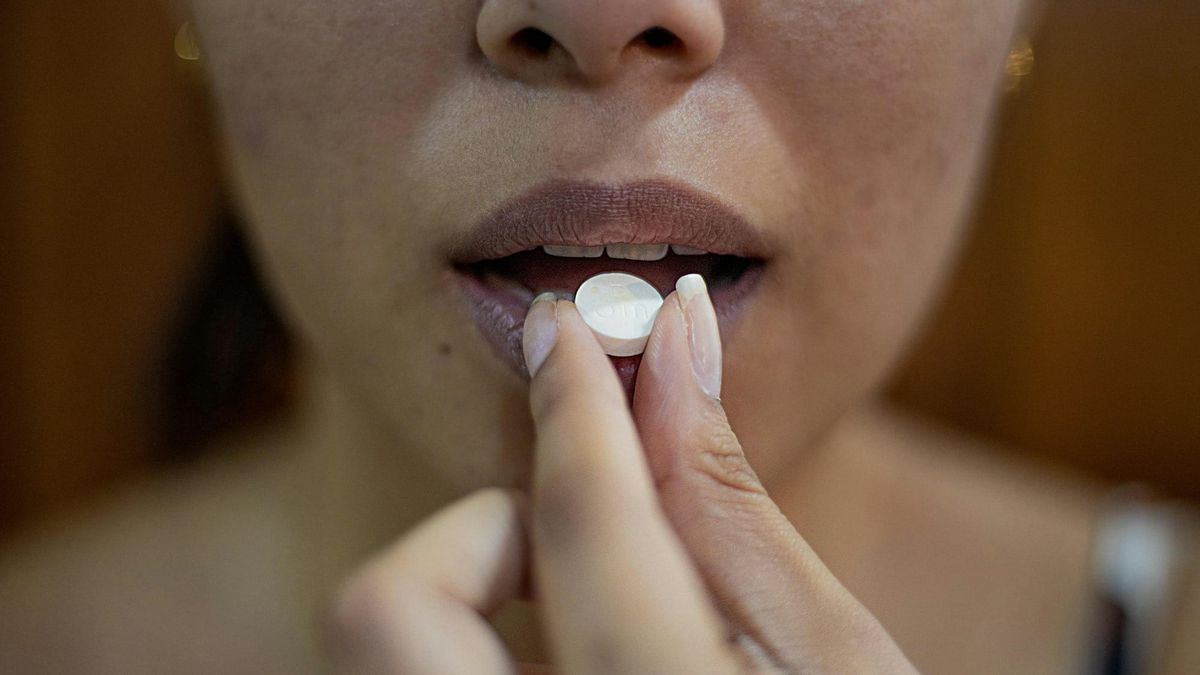
It happens to millions of people every single day. According to the World Health Organization, roughly 50% of patients in developed countries do not take their chronic medications as prescribed, and the CDC reports that approximately one in five new prescriptions are never filled at all.
If you are standing in your kitchen right now wondering, what happens if you miss a dose of medication? — take a breath. You are not alone, and in most cases, a single missed dose is not a medical emergency. What matters is knowing the specific rules for your medication class, understanding when to take a late dose versus when to skip it, and recognizing the few high-risk scenarios that demand an immediate call to your clinician.
The Universal Rule: What Happens If You Miss a Dose of Medication?
For the majority of prescription medications, the general rule is straightforward: if you remember within a few hours of your scheduled time, take the missed dose as soon as you remember. If it is close to the time for your next scheduled dose, skip the missed one and resume your normal schedule . This simple framework answers the common question, is it ok to take medication late? — yes, within a reasonable window. But it also answers is it okay to miss a dose of my medication? — sometimes yes, if doubling up would be the alternative.
However, research published in the British Journal of Clinical Pharmacology reveals a troubling gap in patient safety: 52% of prescription-only medicines in the UK provide no instructions at all for missed doses in their patient information leaflets, and only 6% refer patients to seek medical advice . This means you cannot always rely on the paperwork inside your pill bottle. When in doubt, your pharmacist or prescribing clinician is your most reliable source.
High-Risk Medications: Call Your Doctor Immediately
Not all medications are equally forgiving. Some drugs have narrow therapeutic windows, rapid offset of effect, or dangerous rebound risks. If you take any of the following medication classes and miss a dose, you should contact your healthcare provider for personalized guidance rather than guessing.
Blood Thinners (Anticoagulants). Missing a dose of warfarin, apixaban (Eliquis), rivaroxaban (Xarelto), or dabigatran (Pradaxa) can increase your risk of stroke, deep vein thrombosis, or pulmonary embolism . For warfarin specifically, if you remember before midnight on the same day, you may take the dose; if you remember after midnight, skip it and never double up . Newer direct oral anticoagulants leave the body within 12 to 24 hours, so missing even one dose can leave you temporarily unprotected .
Diabetes Medications. Missing insulin or sulfonylureas can cause dangerous blood sugar spikes, while taking doses too close together can trigger hypoglycemia. If you miss long-acting insulin, monitor your glucose closely and call your provider. If you miss rapid-acting mealtime insulin and several hours have passed, skip it rather than risk low blood sugar later .
Seizure Medications. Anti-epileptic drugs require consistent blood levels. Missing a dose may lower your seizure threshold. If you miss more than one dose, or if you feel aura symptoms, contact your neurologist immediately .
Transplant and Cancer Medications. Immunosuppressants and cytotoxic agents are classified in the highest risk category for omitted doses. Missing these can trigger organ rejection or allow cancer cells to repopulate. The NHS Specialist Pharmacy Service advises patients to ask their specialist doctor or clinic for advice if they miss any dose in these categories .
HIV Antiretrovirals. Missing doses of HIV medication is one of the fastest routes to treatment failure. Inconsistent adherence allows viral replication and increases the risk of drug resistance, making future treatment significantly harder .
Medium-Risk Medications: Follow the Specifics
Many common medications fall into a middle category where the general rule applies, but with important nuances.
Antibiotics. Taking antibiotics on schedule keeps drug levels constant enough to eradicate bacteria. If you miss a dose, take it as soon as you remember unless it is almost time for the next one . Never double up. Missing multiple doses or stopping early contributes to antibiotic resistance, which the CDC estimates causes 2.8 million infections annually in the United States alone .
Antidepressants and Psychiatric Medications. Selective serotonin reuptake inhibitors (SSRIs) and mood stabilizers can cause discontinuation symptoms — sometimes called withdrawal — even after a single missed dose. Symptoms may include dizziness, irritability, or "brain zaps." If you miss a dose and feel unwell, take it when remembered unless you are near the next dose, in which case you should call your prescriber .
Blood Pressure Medications. Many antihypertensives have longer half-lives than patients realize. Amlodipine, for example, is more "forgiving" of a missed dose than enalapril because its duration of action extends well beyond its elimination half-life . That said, missing multiple doses can cause rebound hypertension, so consistency matters.
Oral Contraceptives. The rules here depend on the pill type and where you are in your pack. Combined pills generally allow a 24-hour window, but missing two or more days typically requires backup contraception for seven days. Always check your specific pill's patient leaflet, as progestin-only pills have much stricter timing rules.
Low-Risk Medications: General Rules Apply
For vitamins, supplements, thyroid medications like levothyroxine, and many statins, the general rule applies without significant risk. These medications tend to have longer half-lives or less immediate clinical consequence if a single dose is delayed . Levothyroxine, for instance, can usually be taken late on the same day without issue. If you miss a statin dose, simply resume your schedule the next day.
A Simple Decision Framework: What to Do When You Miss a Dose
When what do you do if you forget to take your medication? races through your mind, use this four-step flowchart:
- Stop and identify the medication. Is it on the high-risk list above?
- Calculate the time gap. How many hours until your next scheduled dose?
- Apply the rule. If it is more than halfway to your next dose, skip it. If it is less than halfway, take it now.
- Check for red flags. Are you experiencing symptoms (chest pain, seizure aura, high blood sugar, bleeding)? If yes, call your clinician or seek emergency care regardless of the general rule.
If you are ever uncertain, a 24-hour pharmacy or your local poison control center (1-800-222-1222 in the United States) can provide real-time guidance .
The "Never Double Up" Rule and Why It's So Important
The most dangerous mistake patients make after missing a dose is taking two doses at once to "catch up." This is almost never recommended . Medications are prescribed at specific intervals to keep your blood levels within a safe therapeutic window. Doubling up can push you into toxicity.
Consider blood thinners: taking two doses close together can cause internal bleeding. Consider diabetes medications: doubling up can trigger hypoglycemic shock. The concept of "drug forgiveness" — how long a medication remains effective after a missed dose — varies significantly by pharmacokinetics . Aspirin, despite a short half-life of just a few hours, remains effective for 7 to 10 days because it irreversibly inhibits platelets . In contrast, rivaroxaban has a longer half-life but a rapid offset of effect, making it far less forgiving . Because patients cannot be expected to memorize these nuances, the universal safety rule is simple: never double up unless your clinician explicitly tells you to.
Prevention: Medication Adherence Strategies to Prevent Missed Doses
The best solution to a missed dose is preventing it. Medication nonadherence contributes to approximately 125,000 preventable deaths and up to $300 billion in avoidable healthcare costs annually in the United States . Here are evidence-based strategies to keep your regimen on track:
- Set smartphone alarms. Use your phone's alarm or a dedicated medication app to create recurring, unmissable reminders.
- Use a pill organizer. A weekly or monthly organizer provides visual confirmation of whether you have taken your dose.
- Link it to a daily habit. Habit stacking — taking your medication immediately after brushing your teeth or pouring your morning coffee — creates automatic cues .
- Enable auto-refill. Ask your pharmacy for automatic refills and medication synchronization so all your prescriptions renew on the same day.
- Keep a medication list. Maintain an updated record of every prescription, over-the-counter drug, and supplement you take, and bring it to every appointment .
- Enlist a buddy. For older adults or those on complex regimens, a family member or caregiver can provide critical backup reminders.
Key Takeaways
- If you miss a dose, take it as soon as you remember unless it is close to the time for your next dose.
- Never double up on a missed dose unless explicitly instructed by your healthcare provider.
- Blood thinners, insulin, seizure medications, transplant drugs, and HIV antiretrovirals are high-risk; call your clinician if you miss a dose.
- Antibiotics should be taken as soon as remembered, but never doubled; finish the full course to prevent resistance.
- Antidepressants and psychiatric medications can cause withdrawal symptoms after a single missed dose.
- Many blood pressure medications are more forgiving than patients realize, but consistency still matters.
- Oral contraceptives have specific catch-up rules that vary by pill type; backup contraception may be needed.
- Low-risk medications like vitamins, thyroid drugs, and statins generally follow the simple take-it-or-skip-it rule.
- When in doubt, call your pharmacist, prescriber, or poison control center rather than guessing.
- Use reminders, pill organizers, habit stacking, and auto-refills to prevent missed doses before they happen.
Conclusion
Missing a dose is not a moral failing — it is a normal part of being human. What separates a safe slip from a dangerous mistake is knowledge. By understanding which medications demand immediate attention, which follow the general rule, and why doubling up is never worth the risk, you transform a moment of panic into a confident, informed decision. If you find yourself missing doses frequently, it may be time to rethink your medication adherence strategies with your care team.
References
- What should patients do if they miss a dose? A systematic review of patient information leaflets and summaries of product characteristics — British Journal of Clinical Pharmacology, 2021.
- What If You Skip a Blood Thinner Dose? — Carerx Pharmacy, 2025.
- How to Handle Missed Doses Safely: 6 Effective Tips — Senior Life Pharmacy, 2025.
- What if I miss a dose of my medication? — Drugs.com, 2024.
- What Should You Do If You Miss a Medication Dose? — Brain and Life Magazine, 2024.
- Advising on missed or delayed doses of medicines — NHS Specialist Pharmacy Service, 2025.
- What to Do If You Miss a Dose of Antibiotics — Healthline, 2020.
- Understanding Treatment Adherence in Chronic Diseases — Journal of Multidisciplinary Healthcare, 2024.
- The Unmet Challenge of Medication Nonadherence — PMC, 2018.
- Failure to take prescribed medicine for chronic diseases is a massive, world-wide problem — World Health Organization, 2003.
- 35+ Latest Patient Adherence Statistics for 2025 — Dialog Health, 2025.
- Medication nonadherence - definition, measurement, prevalence, and causes: reflecting on the past 20 years and looking forwards — Frontiers in Pharmacology, 2025.
- CDC Grand Rounds: Improving Medication Adherence for Chronic Disease Management — Morbidity and Mortality Weekly Report, 2017.