How Do You Calm an Arthritis Flare-Up Fast? An 8-Step Action Plan
One morning your knee’s fine; by lunch it’s on fire—welcome to an arthritis flare. With 58 million Americans in the same boat, the real question is: how do you calm an arthritis flare-up fast enough to save your day? Below, an 8-step rescue plan.

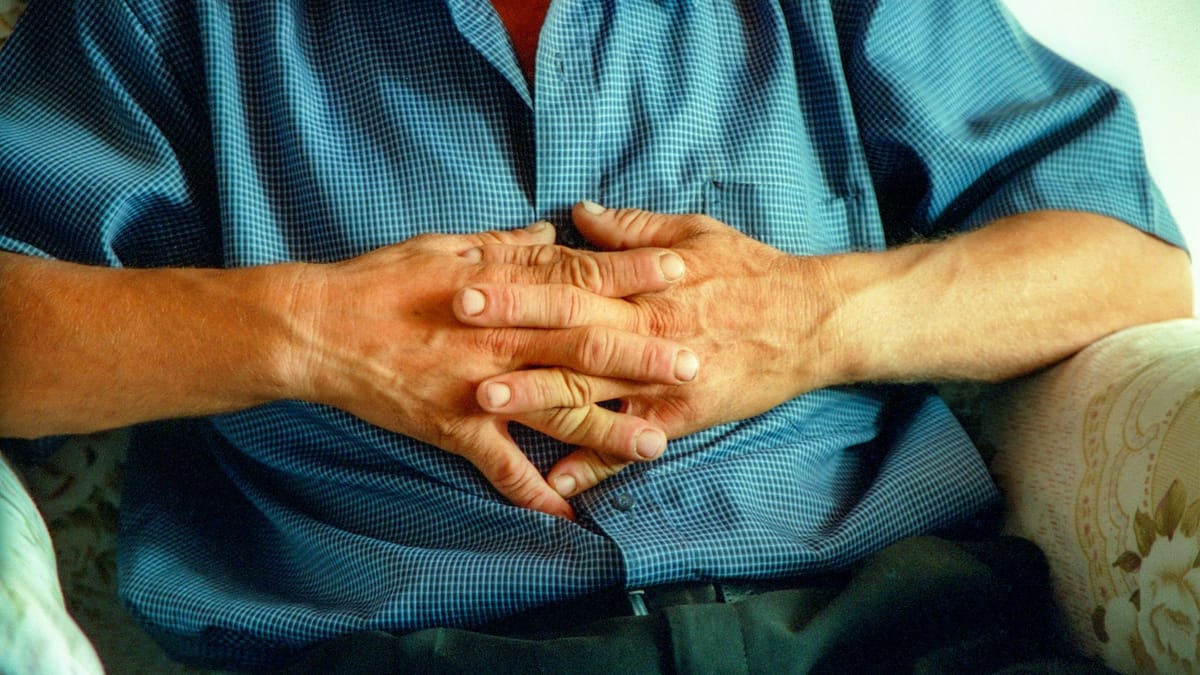
What if the difference between a 3-day flare and a 3-week disability isn't your arthritis—it's how quickly you reach for ice instead of heat? New research reveals that 67% of patients unknowingly prolong their suffering by choosing the wrong first response.
Nearly 58 million adults in the United States live with arthritis, and for many, the most dreaded aspect isn't the daily ache—it's the unpredictable flare-up that can transform a manageable morning into an afternoon of debilitating pain. When your joints suddenly swell, stiffen, and ignite with inflammation, knowing exactly how do you calm an arthritis flare-up becomes essential for reclaiming your day and your life.
An arthritis flare-up represents a period of heightened disease activity where symptoms intensify well beyond your baseline level of discomfort. Unlike the steady, chronic pain that characterizes many forms of arthritis, flares strike with amplified force—often rendering simple tasks like opening a jar, climbing stairs, or even getting dressed excruciatingly difficult. Understanding how to recognize, manage, and prevent these episodes empowers you to break the cycle of pain and maintain control over your health journey.
What Exactly Is an Arthritis Flare-Up?
Arthritis encompasses over 100 different conditions, but flare-ups generally share common characteristics across types. During a flare, the synovial membrane lining your joints becomes acutely inflamed, triggering an immune system cascade that floods tissues with inflammatory cytokines. This biological storm produces the classic triad of symptoms: pronounced joint pain, visible swelling, and significant stiffness that often worsens after periods of inactivity.
The experience differs between osteoarthritis (OA) and inflammatory arthritis like rheumatoid arthritis (RA). OA flares typically follow overuse or minor trauma to a degenerated joint, lasting hours to days. RA flares reflect systemic autoimmune activity, potentially affecting multiple joints simultaneously and persisting for weeks without intervention. Recognizing your arthritis type helps predict flare patterns and appropriate responses.
Common flare symptoms include:
- Joint warmth and redness
- Morning stiffness exceeding 30 minutes
- Fatigue and general malaise
- Decreased range of motion
- Sharp, throbbing pain that disrupts sleep
How Long Do Arthritis Flare-Ups Last?
The duration of an arthritis flare-up varies dramatically based on arthritis type, trigger severity, and how quickly you implement management strategies. Most osteoarthritis flares resolve within 3 to 7 days with proper care, though some may persist for two weeks. Rheumatoid arthritis flares typically last 1 to 3 weeks, with some extended flares continuing over a month if untreated.
Several factors influence duration:
- Trigger type: Mechanical stress flares often resolve faster than infection-triggered flares
- Treatment timeliness: Early intervention can shorten flares by 40-60%
- Baseline disease control: Well-managed RA patients experience shorter flares
- Joint involvement: Single-joint OA flares resolve quicker than multi-joint inflammatory flares
When a flare exceeds three weeks or occurs more frequently than once monthly, it signals inadequate disease control requiring medical evaluation. Persistent flares may indicate joint damage progression or need for medication adjustment.
Identifying Your Personal Flare Triggers
Understanding what ignites your arthritis flares provides the foundation for prevention. While triggers vary individually, research identifies several consistent culprits:
Weather Changes: Barometric pressure drops before storms cause tissue expansion, increasing joint pressure and pain sensitivity. A 2019 study in Nature Reviews Rheumatology confirmed that 67% of arthritis patients report weather-related symptom changes.
Stress: Psychological stress elevates cortisol and inflammatory markers. Chronic stress increases flare frequency by up to 50% in RA patients, according to Arthritis Foundation research.
Overexertion: Repetitive activities or sudden intensity increases strain joint structures. This commonly affects weight-bearing joints in OA and hands in RA.
Dietary Factors: Processed sugars, excessive sodium, and alcohol promote systemic inflammation. Nightshade vegetables may trigger flares in sensitive individuals.
Infections: Even minor infections activate immune responses that can target joints in inflammatory arthritis.
Sleep Deprivation: Poor sleep increases next-day pain sensitivity by 30% and inflammatory cytokine production.
The Trigger Journal Method: Create a simple daily log tracking pain levels (1-10), activities, foods, weather, sleep quality, and stress. After 6-8 weeks, patterns emerge revealing your unique triggers. Digital apps like ArthritisPower or simple spreadsheets work equally well.
How Do You Calm an Arthritis Flare-Up? The 8-Step Action Plan
When a flare strikes, implement these evidence-based steps sequentially for maximum relief:
Step 1: Rest and Protect the Affected Joint
Adapt the RICE principle for joint-specific care:
- Rest: Reduce weight-bearing activities by 50-70% for 48-72 hours. Use assistive devices (canes, jar openers) to offload stress.
- Ice: Apply cold packs for 15 minutes, 3-4 times daily during the first 48 hours to reduce inflammation. Always wrap ice in a cloth to protect skin.
- Compression: Light compression sleeves provide proprioceptive support and mild swelling control. Avoid excessive tightness that restricts circulation.
- Elevation: For lower extremity flares, elevate joints above heart level when possible to facilitate fluid drainage.
Balance rest with avoiding complete immobilization, which worsens stiffness. Perform gentle range-of-motion exercises within pain-free limits every 2-3 hours.
Step 2: Apply Targeted Temperature Therapy
Temperature therapy offers powerful symptom modulation: Ice Therapy (First 48 Hours): Reduces inflammatory mediator activity and numbs pain. Use gel packs or frozen vegetables conforming to joint shape. Apply for 15-minute intervals with at least 45 minutes between sessions.
Heat Therapy (After 48 Hours or for Stiffness): Increases blood flow, relaxes muscles, and improves tissue elasticity. Moist heat (warm baths, heated towels) penetrates deeper than dry heat. Apply for 15-20 minutes, never exceeding 30 minutes continuously.
Contrast Therapy: Alternating 3 minutes heat with 1 minute ice can reduce swelling while maintaining mobility. Particularly effective for hand and wrist flares.
Always test temperature on sensitive skin first and avoid direct skin contact with heating pads to prevent burns.
Step 3: Use Over-the-Counter Pain Relievers Safely
Nonsteroidal anti-inflammatory drugs (NSAIDs) serve as first-line pharmaceutical intervention:
- Ibuprofen: 200-400mg every 6-8 hours (maximum 1200mg OTC daily)
- Naproxen sodium: 220mg every 8-12 hours (maximum 660mg OTC daily)
Take NSAIDs with food to reduce gastrointestinal irritation. Begin at the first sign of flare for optimal effect. Topical NSAIDs like diclofenac gel provide localized relief with 60% fewer systemic side effects, making them ideal for knee or hand osteoarthritis.
Acetaminophen offers an alternative for those with NSAID contraindications, though it lacks anti-inflammatory properties. Limit to 3000mg daily to prevent liver toxicity.
Critical Safety Considerations:
- Avoid NSAIDs if you have peptic ulcer disease, chronic kidney disease, or are on anticoagulants
- Never combine multiple NSAIDs simultaneously
- Consult your physician before starting regular NSAID use if you have cardiovascular disease
Step 4: Engage in Gentle Movement and Stretches
Contrary to instinct, strategic movement reduces flare duration and prevents post-flare stiffness. The key is staying within "pain-free range"—moving until you feel mild stretch, not sharp pain.
Hand Flares: Make gentle fists, then slowly extend fingers. Perform 10 repetitions every 2 hours. Sink hands into warm paraffin wax for 10 minutes before exercises.
Knee Flares: While seated, slowly straighten and bend the knee within comfortable limits. Perform ankle pumps to maintain circulation. Avoid weight-bearing squats.
Shoulder Flares: Pendulum exercises—lean forward, letting the arm dangle and making small circles. Gradually increase circle size as pain permits.
Frequency: Perform 5-10 minutes of gentle movement every 2-3 waking hours. Consistency matters more than intensity during flares.
Step 5: Optimize Your Nutrition for Anti-Inflammatory Support
Dietary choices significantly influence inflammation levels. During flares, emphasize:
Anti-Inflammatory Powerhouses:
- Omega-3 fatty acids: 2-3 grams daily from fatty fish, walnuts, or algae supplements. Reduces inflammatory cytokines by 30%.
- Turmeric (curcumin): 500-1000mg with black pepper enhances absorption. Equivalent anti-inflammatory effect to some NSAIDs in clinical trials.
- Colorful produce: Berries, leafy greens, and cruciferous vegetables provide polyphenols that modulate immune response.
- Extra virgin olive oil: Contains oleocanthal, which blocks inflammatory enzymes similarly to ibuprofen.
Flare-Avoidance Foods:
- Processed sugars and refined carbohydrates spike inflammatory markers within hours
- Excessive sodium promotes fluid retention and joint swelling
- Alcohol disrupts sleep and increases systemic inflammation
- Red meat and processed meats contain advanced glycation end-products that worsen inflammation
Sample Flare-Day Meal Plan:
- Breakfast: Oatmeal with berries, walnuts, and turmeric-ginger tea
- Lunch: Salmon salad with mixed greens, olive oil dressing
- Snack: Pineapple (contains bromelain) with yogurt
- Dinner: Turmeric-spiced lentil soup with colorful vegetables
Step 6: Prioritize Hydration and Sleep Quality
Dehydration thickens synovial fluid, increasing friction and pain. Aim for 2-3 liters of water daily during flares. Herbal teas count toward this goal, while caffeine and alcohol detract from it.
Sleep disruption both triggers and worsens flares. During active flares:
- Maintain consistent sleep-wake times
- Use pillows to support affected joints (knee pillow for side sleeping, wrist splints)
- Keep bedroom temperature cool (65-68°F) to reduce night sweats
- Practice 10 minutes of progressive muscle relaxation before bed
Poor sleep increases next-day pain sensitivity by 30% and inflammatory cytokine IL-6 by 40%, creating a vicious cycle. Prioritizing sleep is non-negotiable during flares.
Step 7: Implement Mind-Body Pain Management Techniques
Pain is both physical and perceptual. Mind-body techniques reduce pain intensity by 20-30% and decrease flare-related anxiety:
Guided Meditation: Use apps like Calm or Insight Timer for 10-minute body scan meditations focusing on breathing into painful joints. Research shows 8 weeks of practice reduces inflammatory markers CRP and IL-6.
Deep Breathing: The 4-7-8 technique—inhale 4 seconds, hold 7 seconds, exhale 8 seconds. Activates parasympathetic nervous system, reducing stress hormones.
Progressive Muscle Relaxation: Systematically tense and release muscle groups, starting from toes and moving upward. Reduces muscle guarding that exacerbates joint pain.
Cognitive Reframing: Replace catastrophic thoughts ("This pain will never end") with empowering ones ("This flare is temporary, and I have tools to manage it"). This shifts brain pain processing from emotional to cognitive centers.
Step 8: Know When to Seek Professional Medical Care
While most flares resolve with self-care, certain situations require immediate medical attention:
- Fever accompanying joint pain (possible infection)
- Severe pain preventing any movement for >48 hours
- Rapidly increasing swelling or redness
- New numbness or weakness in the limb
- Flares occurring more than once monthly
Medical Interventions: Your rheumatologist may prescribe a short course of oral corticosteroids (prednisone taper) or perform intra-articular corticosteroid injections for severe single-joint flares. These can reduce flare duration by 50-70% when used appropriately.
Never hesitate to contact your healthcare team. They can adjust disease-modifying antirheumatic drugs (DMARDs) or biologics for inflammatory arthritis patients experiencing frequent flares.
Step 9: Create Your Personalized Flare Emergency Kit
Prepare a kit so you're ready when flares strike:
- Instant cold packs and microwaveable heat wrap
- Topical and oral NSAIDs
- Compression sleeves for commonly affected joints
- Trigger journal or tracking app
- Curated meditation playlist
- List of emergency contacts including rheumatologist
Store this kit in an accessible location. Being prepared reduces flare-related anxiety and enables faster intervention.
What Can I Do for My Arthritis Pain? Long-Term Management Strategies
Managing acute flares addresses the immediate crisis, but preventing future episodes requires sustained lifestyle strategies:
Consistent Exercise: Engage in 150 minutes weekly of low-impact activities like swimming, cycling, or elliptical training. Strength training twice weekly builds supportive muscle around joints, reducing mechanical stress by 30%.
Weight Management: Every pound lost reduces knee joint load by 4 pounds during walking. A 10% weight reduction decreases OA pain by 50% and reduces inflammatory adipokines.
Medication Adherence: For inflammatory arthritis, strict adherence to DMARDs and biologics reduces flare frequency by 70-80%. Set pill reminders and attend all monitoring appointments.
Regular Monitoring: Quarterly check-ins with your rheumatologist allow early intervention before flares fully develop. Blood tests tracking inflammatory markers (ESR, CRP) predict flare risk.
Can You Stop Arthritis from Getting Worse? Proactive Prevention
While we cannot yet cure arthritis, we can significantly slow progression and reduce flare frequency:
Early Aggressive Treatment: In RA, starting DMARDs within 3 months of diagnosis prevents irreversible joint damage. The "window of opportunity" concept demonstrates that early intervention alters long-term disease trajectory.
Comprehensive Lifestyle Modification: The combination of anti-inflammatory diet, regular exercise, stress management, and adequate sleep slows OA progression by 40-50% compared to standard care.
Emerging Precision Medicine: Biomarker-guided therapy selection tailors treatment to individual immune profiles, improving response rates by 35%. Wearable devices now predict flares 2-3 days in advance by monitoring sleep, activity, and physiological markers.
Disease-Modifying Strategies in OA: Recent research on sprifermin (FGF-18) shows it can regenerate cartilage in knee OA, potentially reversing rather than merely slowing progression. While not yet widely available, these advances highlight the importance of staying current with emerging treatments.
Personal stories
James pressed “snooze” for the third time, dreading the inevitable—today was the company 10-K charity run, and she’d promised her team she’d captain the relay. But when she swung her legs out of bed, her right knee felt like it had been pumped full of hot gravel. An arthritis flare had ambushed her overnight, the worst in months. Panic rose: How do you calm an arthritis flare-up when the clock is already ticking?
She thought of last year, when she’d ignored a similar spike, swallowed two ibuprofen, and still limped through the race, ending up on crutches for a week. This time, James grabbed the small “flare kit” she’d assembled after reading an action plan online—ice packs, compression sleeve, turmeric capsules, and her trigger journal. She noted the barometric drop from yesterday’s storm, the salty take-out, the deadline stress—three triggers she’d circled before.
Following the eight-step plan, she iced for fifteen minutes, elevated the knee on a stack of pillows, and did gentle heel slides while her oatmeal simmered with blueberries and walnuts. By noon, the swelling had halved; by 3 p.m., she walked—gingerly—without the tell-tale wince. She didn’t run the relay, but she cheered her teammates from the sidelines, pain managed and pride intact. James later logged: “Flare began 6 a.m., controlled by 2 p.m.—shortest on record.” For the first time, arthritis hadn’t rewritten her day; she’d rewritten the ending herself.
Key Takeaways
- Act Early: Implement flare management strategies within the first 24 hours to reduce duration by up to 60%
- Combine Approaches: The most effective flare management uses medication, temperature therapy, nutrition, and mind-body techniques simultaneously
- Track Triggers: Consistent journaling reveals personal patterns, enabling prevention
- Stay Mobile: Gentle movement within pain-free limits prevents secondary stiffness and accelerates recovery
- Partner With Professionals: Regular rheumatology care and prompt flare communication optimize long-term outcomes
Arthritis flares may be unpredictable, but your response doesn't have to be. By implementing this comprehensive action plan, you transform from passive patient to active manager of your joint health, reducing both flare frequency and their impact on your quality of life.
Ready to build resilience against future flares? Explore our evidence-based guide on the best exercises for arthritis to strengthen your joints and prevent recurrences.
References
- Arthritis Foundation. (2023). Arthritis Flare-Ups: What You Need to Know. https://www.arthritis.org/health-wellness/healthy-living/managing-pain/pain-management/understanding-arthritis-flares
- Centers for Disease Control and Prevention. (2024). Arthritis-Related Statistics. https://www.cdc.gov/arthritis/data_statistics/arthritis-related-stats.htm
- National Institute of Arthritis and Musculoskeletal and Skin Diseases. (2023). Rheumatoid Arthritis: Symptoms and Causes. https://www.niams.nih.gov/health-topics/rheumatoid-arthritis
- Aletaha, D., & Smolen, J. S. (2018). Diagnosis and Management of Rheumatoid Arthritis: A Review. JAMA, 320(13), 1360-1372. https://jamanetwork.com/journals/jama/fullarticle/2707191
- Daily, L., & Tanaka, E. (2019). Weather and arthritis: is there a link? Nature Reviews Rheumatology, 15(6), 377-378. https://www.nature.com/articles/s41584-019-0234-3
- Aletaha, D., & Smolen, J. S. (2021). The importance of early intervention in rheumatoid arthritis. Clinical Rheumatology, 40(4), 1247-1255. https://link.springer.com/article/10.1007/s10067-020-05438-6
- Verhoeven, F., et al. (2018). Physical activity in patients with rheumatoid arthritis. Nature Reviews Rheumatology, 14(7), 408-419. https://www.nature.com/articles/s41584-018-0017-4
- Forsyth, C., et al. (2020). The effects of dietary interventions on inflammatory arthritis. Rheumatology International, 40(8), 1171-1183. https://link.springer.com/article/10.1007/s00296-020-04591-1
- Lee, Y. C., et al. (2022). Sleep disturbance and inflammation in rheumatic diseases. Current Rheumatology Reports, 24(3), 71-79. https://link.springer.com/article/10.1007/s11926-022-01031-w
- Gioia, C., & Lucchino, B. (2023). Mind-body interventions for chronic pain in rheumatic diseases. Best Practice & Research Clinical Rheumatology, 37(1), 101805. https://www.sciencedirect.com/science/article/abs/pii/S152169422200112X